Slurry Pump Ceramic Parts | Armor-Clad SiC Components for Extreme Abrasion & Corrosion | Kenda Pump
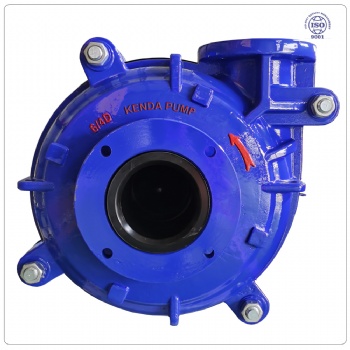
Kenda Pump Industry specializes in providing ceramic parts for slurry pumps.
In fine-particle slurries, their service life is 3 to 5 times longer than that of high-chromium and rubber parts.
100% dimensionally interchangeable.
The ultimate solution for FGD desulfurization and tailings applications.
Material Type
Fully coated silicon carbide (SiC)
Specifications
Hardness (HRA): 90 – 93
Density (g/cm³): 3.10 – 3.20
Porosity: < 0.5%
Compressive strength (MPa): ≥ 2800
Bonding strength: > 200 MPa
Temperature resistance (℃): ≤ 450
Corrosion resistance: Acid-resistant, alkali-resistant and salt-resistant
Bonding process: High-temperature self-propagating synthesis / vacuum brazing
Kenda Pump Slurry Pump Ceramic Parts
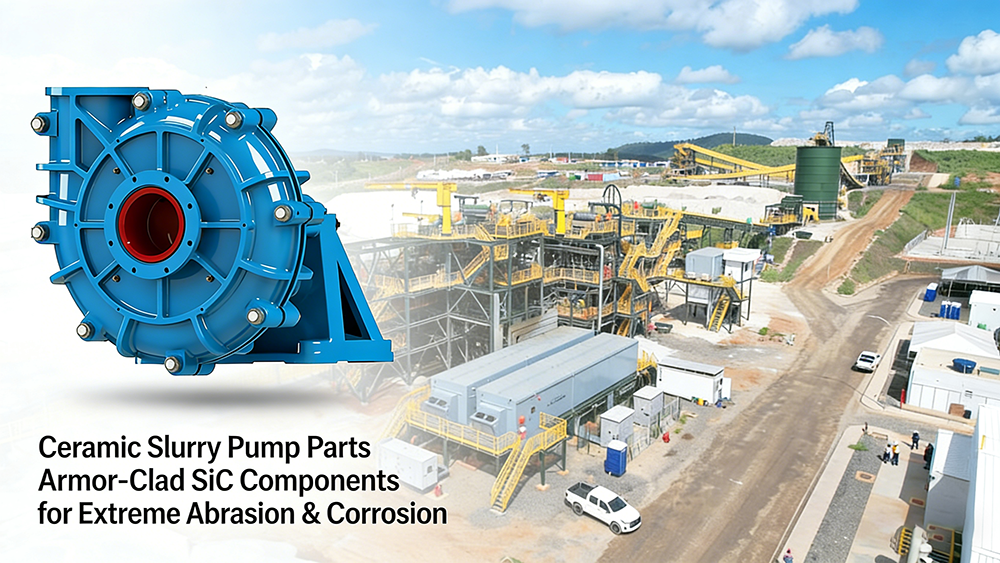
In applications like Flotation Tailings, FGD, and Chemical Mineral Processing, traditional metal parts suffer from rapid erosion, while rubber liners get "chunked" or torn by sharp fines. This leads to frequent downtime and sky-high maintenance costs. Our Ceramic Slurry Pump Parts are engineered precisely to stop this cycle. They offer diamond-like hardness with complete chemical inertness, bridging the gap where other materials fail.
When high-chrome alloys rust, natural rubber is cut and torn, and polyurethane fails to withstand high temperatures or strong acids, silicon carbide (SiC) ceramics serve as your ultimate line of defense. Our ceramic wet-end parts are produced using advanced sintering technology, specially designed to handle highly corrosive and abrasive slurries containing high concentrations of chloride ions (such as in FGD desulfurization applications) or extremely hard particles such as quartz sand and lithium ore.
Technical Specifications & Material Depth
We provide not just "ceramic parts", but precision-engineered ceramic‑metal composite components:
Material: Reaction‑Bonded Silicon Carbide (RBSC/SiSiC)
Physical Properties: Mohs hardness 9.2+ (far higher than high‑chrome alloy), bulk density ≥ 3.0 g/cm³.
Chemical Properties: Fully inert in extremely acidic or alkaline environments across a pH range of 0–14, with zero impact from chloride ion (Cl⁻) concentration.
Structural Technology: Armor Casting Technology
Although silicon carbide ceramic is extremely hard, it is brittle. Using a specialized casting process, we securely armor the SiC ceramic liner inside a ductile iron outer shell.
The metal outer shell withstands pressure and external impact, while the ceramic liner resists core medium erosion. This structure achieves an ideal balance between toughness and hardness.
Core Components Details
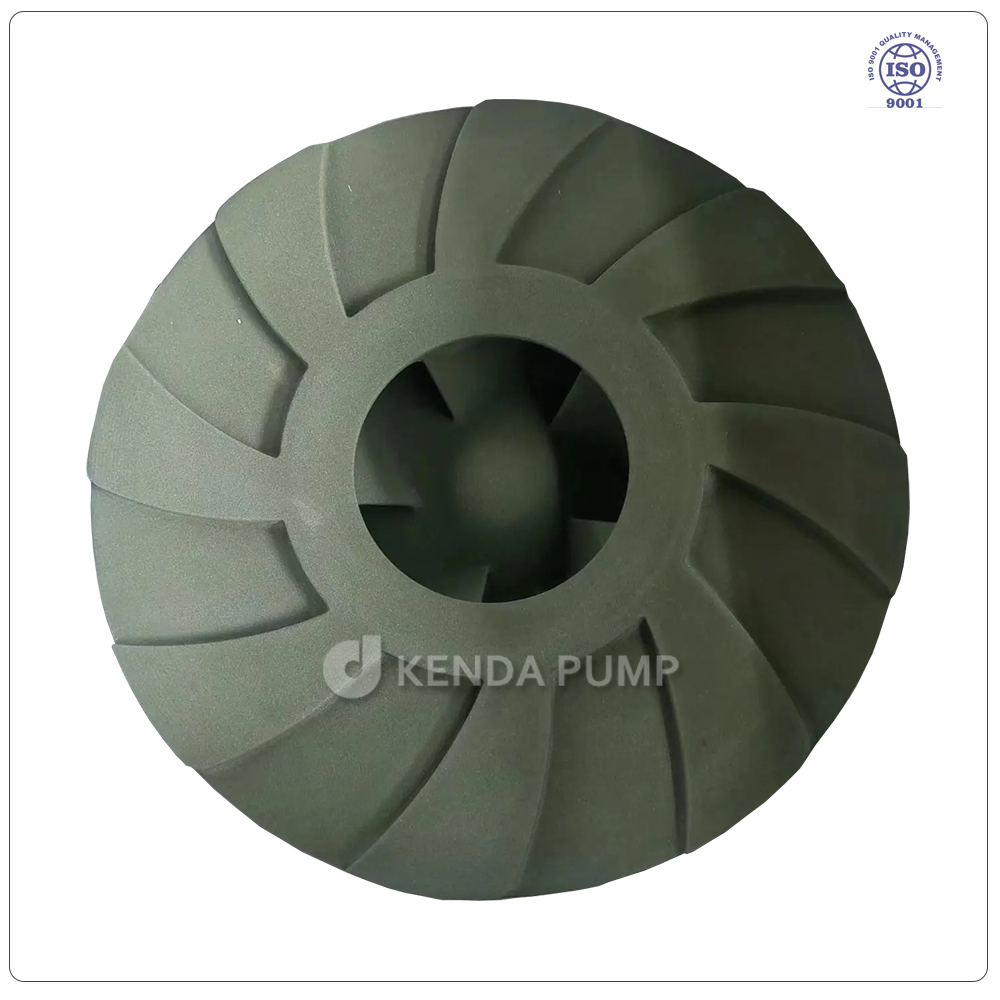
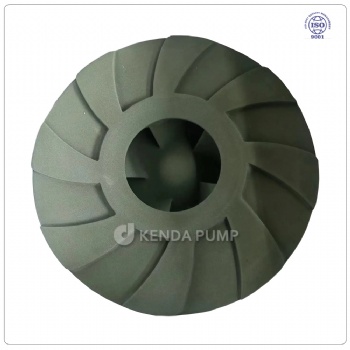
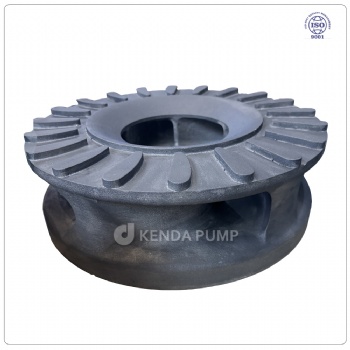
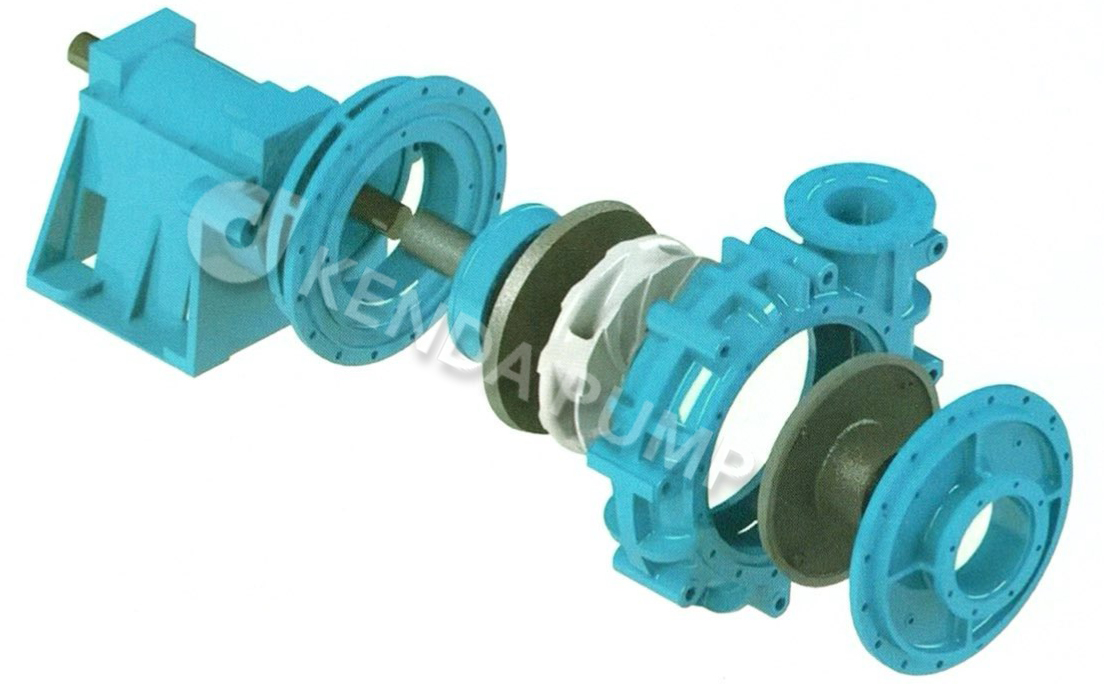
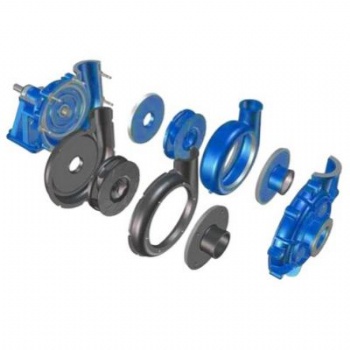
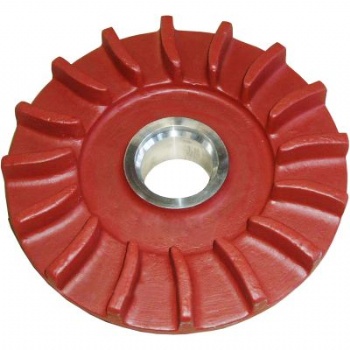
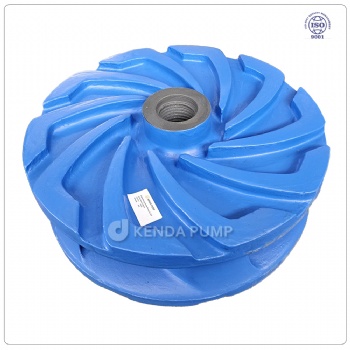
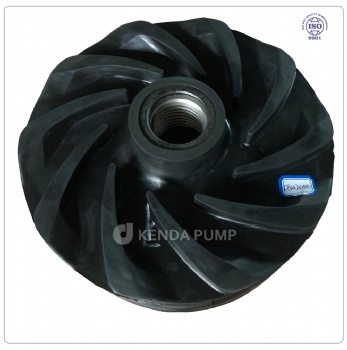
SiC Impeller
Extremely lightweight, significantly reducing bearing load and motor energy consumption with excellent cavitation resistance.
Modular structure: SiC ceramic vanes and cover plates coupled with stainless steel / high-chrome alloy hub.
The hub is connected to the ceramic components via high-strength polymer or mechanical locking mechanism, ensuring reliable dynamic balance and safe torque transmission under high-speed rotation.
Ultra-smooth surface with a friction coefficient ≤ 0.1, lowering hydraulic energy consumption by ≥15% compared with metal components.
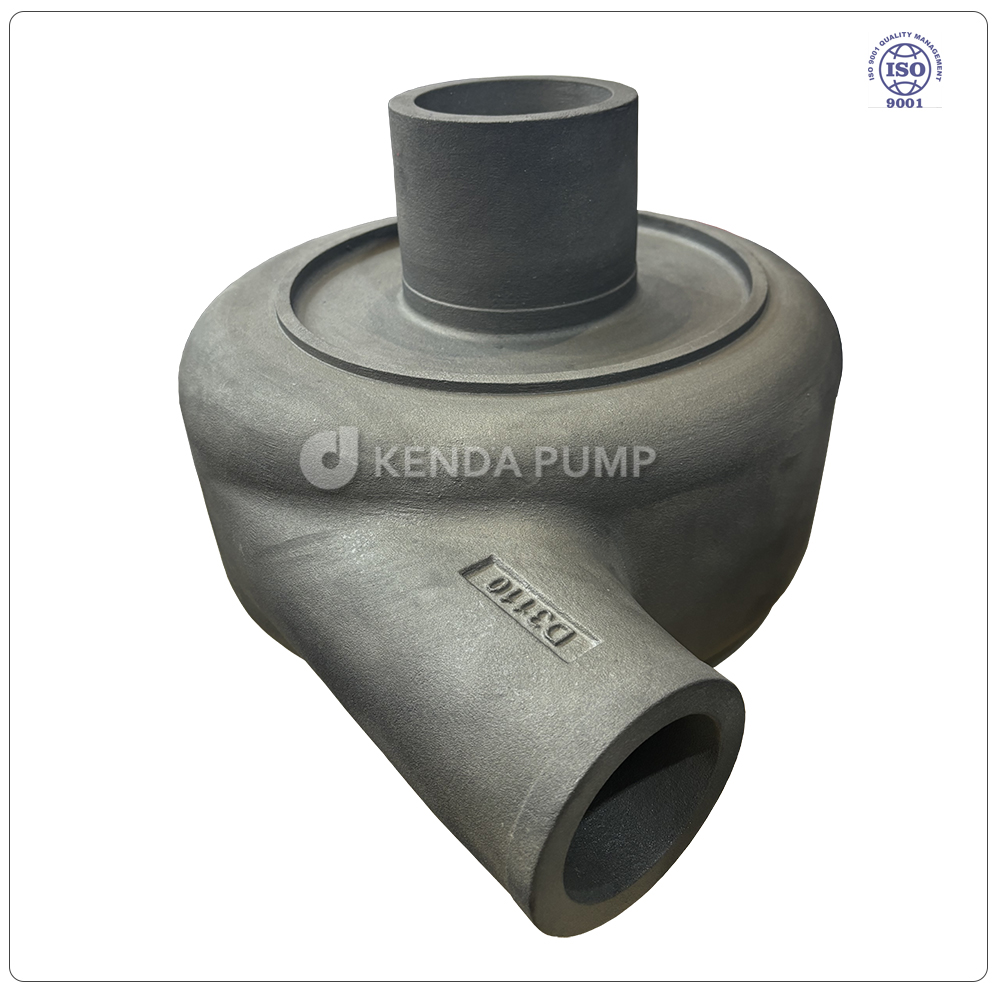
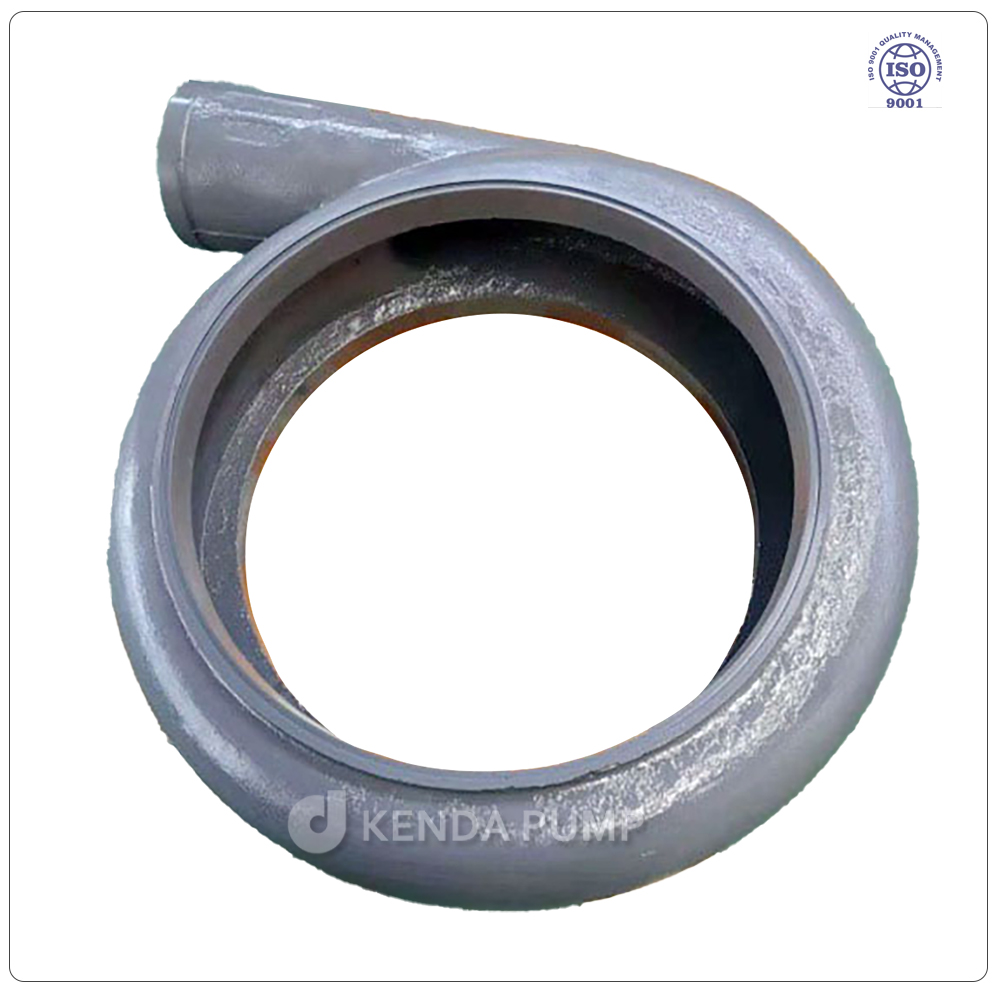
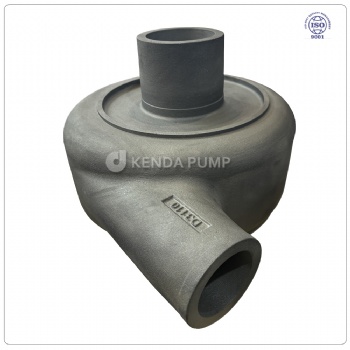
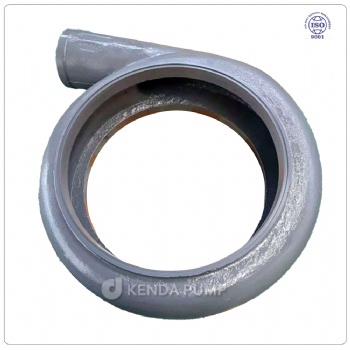
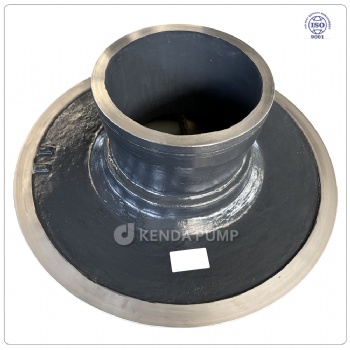
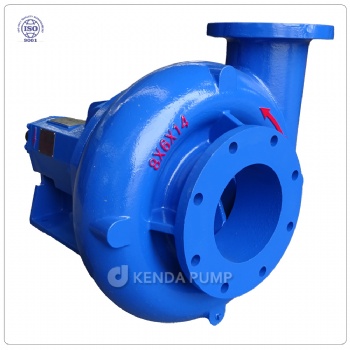
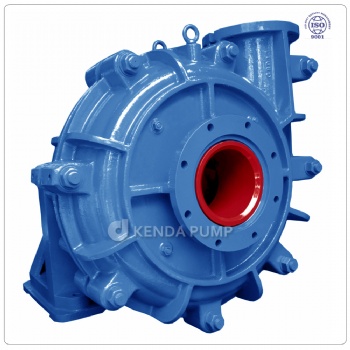
Ceramic Lined Volute
Protected by an outer ductile iron armor and lined with high-purity silicon carbide ceramic, it delivers both pressure-resistant safety and exceptional internal wear resistance.
One-piece cast SiC profiled part with an externally fitted precision metal gland.
The sealing area is precision machined to ensure 100% interchangeability with standard metal pump casings.
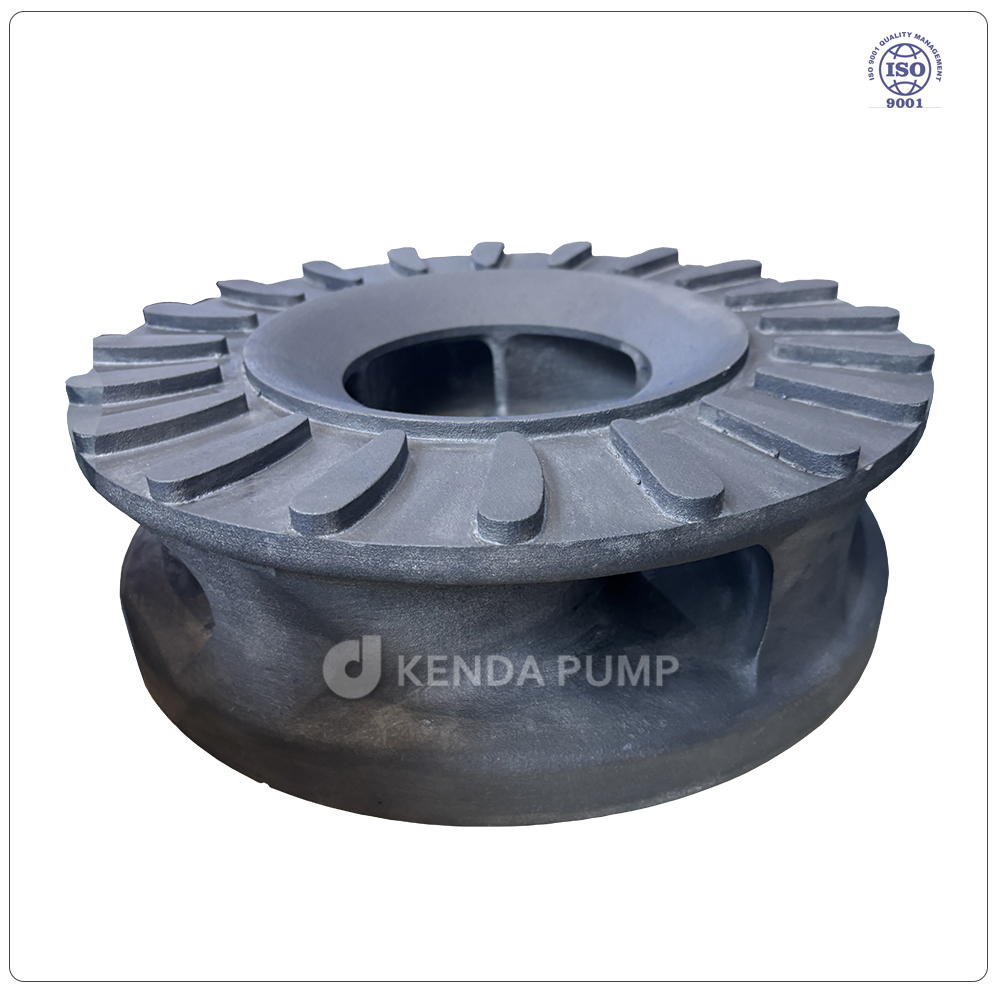
Ceramic-Clad Throatbush
Precision-machined suction flange ensures tight, leak-free fit and stable, reliable performance.
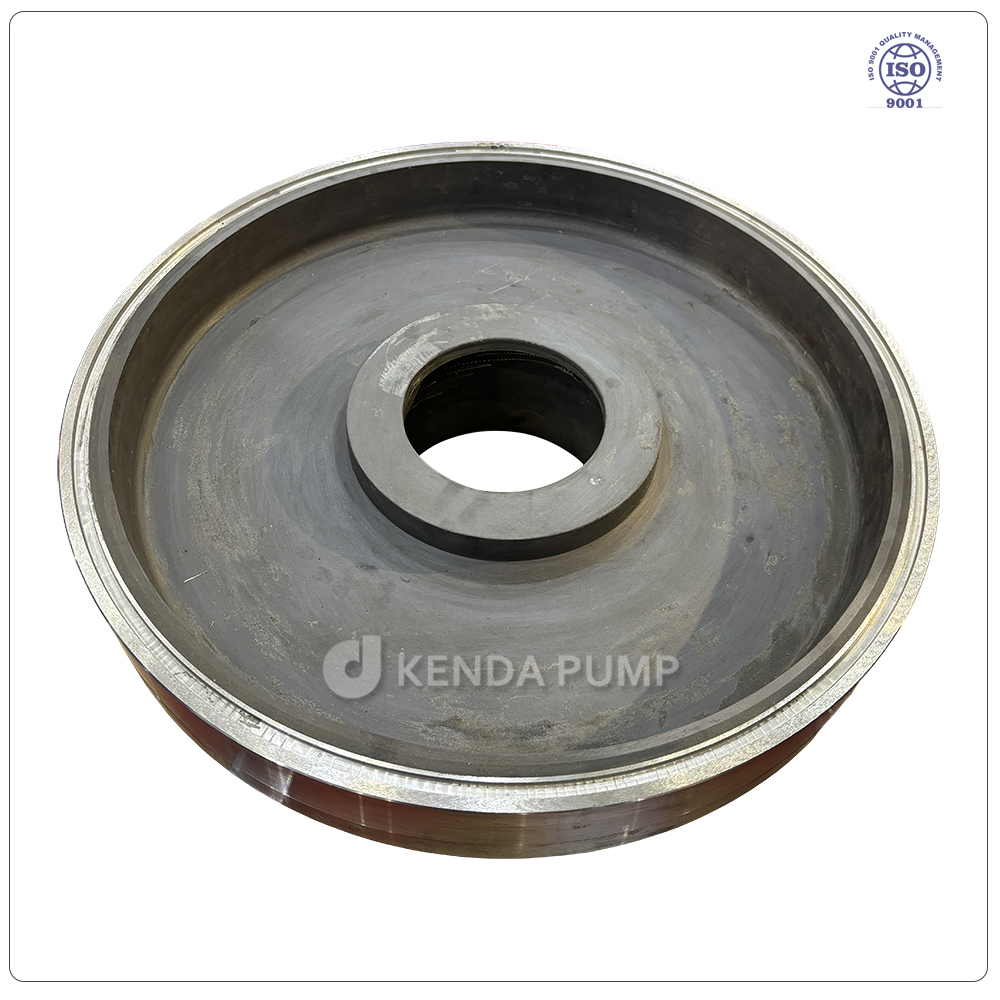
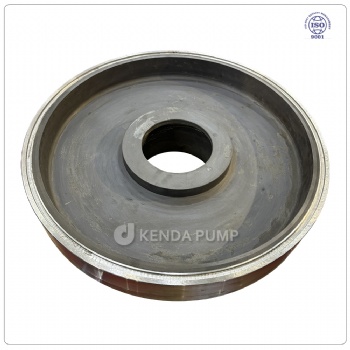
SiC Frame Plate Liner Insert
Provides full rear liner protection and is directly interchangeable with original rubber or metal inserts.
Target Applications
Flue Gas Desulfurization (FGD) in coal-fired power plants
Transportation of highly corrosive chemical slurries (pH 1–12)
Treatment of ultra-fine, high-hardness tailings from lithium, copper and gold mines
Extreme Applications Matrix
|
Application Challenge |
Ceramic Performance |
Typical Application |
|
Strong chloride corrosion |
Zero acid/alkali reaction, no erosion by Cl⁻ ions |
Absorber towers for Flue Gas Desulfurization (FGD) in coal-fired power plants. |
|
Ultra-fine high-hardness abrasion |
Resists sliding cutting (Sandpaper Wear) |
Lithium mine tailings, quartz sand transportation, iron ore concentrate. |
|
Thermal erosion |
Maximum operating temperature 200℃+ (customizable) |
Sulfuric acid production, high-temperature chemical fluid transportation. |
|
Cavitation |
Extremely high surface hardness effectively suppresses impact damage caused by collapsing cavitation bubbles |
First-stage impellers of high-head pumps. |
Extreme Applications Matrix
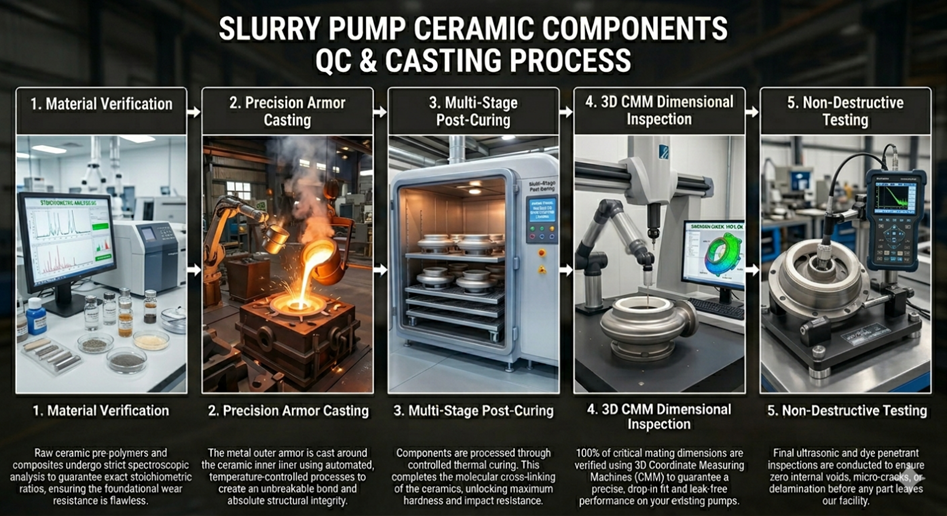
Engineered for absolute reliability. Every ceramic component undergoes strict verification from raw material to final shipment to guarantee drop-in fit and maximum wear life.
Process Steps:
1. Material Verification
Raw ceramic pre-polymers and composites undergo strict spectroscopic analysis to guarantee exact stoichiometric ratios, ensuring the foundational wear resistance is flawless.
2. Precision Armor Casting
The metal outer armor is cast around the ceramic inner liner using automated, temperature-controlled processes to create an unbreakable bond and absolute structural integrity.
3. Multi-Stage Post-Curing
Components are processed through controlled thermal curing. This completes the molecular cross-linking of the ceramics, unlocking maximum hardness and impact resistance.
4. 3D CMM Dimensional Inspection
100% of critical mating dimensions are verified using 3D Coordinate Measuring Machines (CMM) to guarantee a precise, drop-in fit and leak-free performance on your existing pumps.
5. Non-Destructive Testing
Final ultrasonic and dye penetrant inspections are conducted to ensure zero internal voids, micro-cracks, or delamination before any part leaves our facility.
Packaging & Global Shipping
Customized Branding: Specific part numbers, logos, or serial numbers can be cast or laser-marked on the parts according to customer requirements. (Neutral packaging is available for agents.)
Export-Grade Protection: For precision-machined surfaces (such as sealing surfaces and threads), we apply multiple layers of anti-rust oil and perform vacuum sealing to ensure no rust or damage during overseas transportation.
FAQ
Q1:Are your ceramic parts suitable for large-particle slurries or high-impact conditions?
A:Ceramic is brittle. While excellent for fine-particle sliding abrasion, it is NOT recommended for large rocks or high-impact applications. For those conditions, please refer to our High-Chrome Alloy (A05) series.
Q2:What is the maximum operating temperature for your ceramic components?
A:Our standard RBSC composite parts can withstand temperatures up to 200℃ ( 392℉). Beyond this, custom polymer bonding agents may be required.
Q3:How do I ensure a safe installation for ceramic parts?
A:Ceramic is sensitive to improper torque. We provide a detailed torque specification guide for all connections. Using a torque wrench and avoiding direct impact on ceramic surfaces is essential.
Q4:What information do I need to provide for a custom quote?
A:For non-standard OEM parts, please provide: 1) Original Part Number, 2) Pump Model, and 3) Detailed slurry characteristics (pH, Particle Size D50/D90, % Solids, Temperature).


 Send Email
 WhatsApp